STRETCH & REST CARE for the wellness warrior |
|
Besides backing up in the car, how often do you twist and look behind you in a day? Computers, phones, and even back up car cameras are messing with our movement patterns. Stiffness and loss of thoracic rotation used to just be related to poor posture and aging but technology is definitely contributing to spine issues. Our bodies & brains weren't meant to be staring at a screen all day. Even if you play a sport like golf or tennis that involves rotation, it's highly unlikely you're playing as much as you look at a screen. Remember our fascia (connective tissue) takes the shape of the thing we do most during the day. It's time to add some Seated Twist breaks to your day or when sitting at the computer for long periods. BENEFITS OF THE SEATED TWIST:
Stop what you're doing and let's do some Seated Twists together.  HOW TO DO A SEATED TWIST:This position targets your mid back muscles and helps with digestion. It can be done sitting in a chair or the floor.
PRO TIP: On each breath, visualize your head and tailbone pulling away from one another as you lengthen through your spine. Focus on getting taller more than twisting. Don't force the twist. Be mindful of your current mobility. I've got a lot of upper body & back tightness so I prefer to do the Seated Twist in a chair. Placing my arm over the back of the chair takes the tightness in my arms out of it and gives me some proprioceptive feedback & resistance so I can have better posture while I'm twisting. Basically, I feel more of a stretch in my spine because it's less fascia stretching. If you have issues with constipation, try 3 twists a day and see how your body responds. Whenever you need an energy boost during the day, do a twist. Your body will love it. Twist It Out! Mollie P.S. If you want better Energy and Mobility, you'll want to get on the wait list for our next REST Camp: SHINE™ - exciting updates & details coming soon!
0 Comments
Did you know your brain can release pain relieving hormones that have a stronger effect than morphine on your body? It's true. If you've had a baby or run regularly, you know them well- it's your Endorphins! There are over 20 types of Endorphins which are pain and stress relievers created by the Pituitary Gland & Hypothalamus that attach to the brains reward centers (opioid receptors). They trigger the release of Dopamine and increase our feelings of pleasure and well-being. Signs that you may have low levels of Endorphins can be depression, anxiety, muscle aches, sleep issues, chronic pain associated with fibromyalgia, and even exercise addiction. Although Exercise is one of the best ways to boost Endorphins, there are additional simple moves you can do to increase your levels. My favorite way is through Fascia Stretching and Massage. It's my go to pain management strategy for clients (and myself). I'll never forget the "Endorphin High" I got during the 3 day upper body Fascia Stretch Therapy certification training Ender and I went to years ago. My arms were so tight from all the years of doing manual therapy on clients so by day 2 of just stretching the arms, my lab partner and I could NOT stop laughing. We felt drunk from stretching. It was wild & a bit embarrassing until eventually other classmates had similar reactions. Fascia Stretching is one of the most powerful tools I've found to improve pain, elasticity, & mobility in the body. As a bonus it's a mood booster. It's the foundation to all my camps and coaching programs for a reason. You can also BOOST your Endorphins & Mood with any of these pleasurable activities: 1. Create Art 2. Laugh or vent about stressful situations 3. Dance 4. Eat dark chocolate or spicy foods 5. Drink red wine 6. Have sex Aromatherapy, Acupressure, and Acupuncture are additional therapies that can help increase Endorphin levels. It's possible you've already identified from this list what your body craves on the regular. Can you see how it's telling you what it needs to boost hormones like your Endorphins? If not, pick an Endorphin Booster & be mindful of how your body feels after doing it. Figure out which ones your body likes best & sprinkle them into your daily routine. When you're in pain or need to boost your mood, get some Endorphins flowing. Enjoy the high! Mollie P.S. Ready to learn Fascia Stretching & Massage for daily self-care & pain relief? You'll want to join us for our next round of Rest Camp! Details for SHINE™ are coming soon- join the wait list here. Did you know tight hips can make it harder for your core muscles to fire properly? Here’s a stretch to release your low back, hip, and pelvic floor muscles. It’s actually a yoga relaxation pose that is calming to your nervous system. HAPPY BABY STRETCH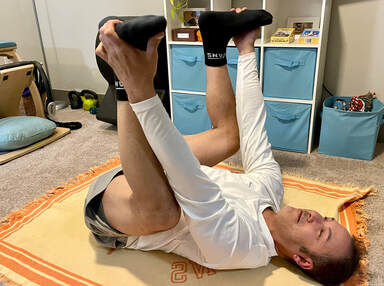 HOW TO DO THE HAPPY BABY STRETCH:
Make Sure You Avoid:
How To Modify:
How To Intensify:
PRO TIP: Add the Happy Baby Stretch to these 3 Moves to Prep for Better Core Workouts. Staying flexible in your hips will help you have a stronger core which helps improve your posture and performance. The Happy Baby Stretch is a great one to do daily at the end of a workout or your day. Go ahead and add it to your Rest Toolbox. To Happy Hips! Mollie P.S.EXCITING NEWS- our next round of SHINE™ & opportunity to be a part of Rest Crew #2 is coming up soon- get on the waitlist here. What do you do when you’re feeling stuck in a rut? It doesn’t matter if it’s fear, overwhelm, confusion, or cognitive fatigue holding you back. There is one MOVE that can help you start moving forward again. Move Your Body. It’s the best bang for your buck when you’re stuck. Why? Physical activity is the number one way to manage stress and complete a stress cycle. It’s also going to bathe your brain in BDNF (Brain Derived Neurotrophic Factor). A protein that is essential for the survival of neurons (cells that make up the brain). It protects the brain from ischemic damage (damage from lack of oxygen), degeneration (deterioration) and promotes long term memory. Just 20 minutes of any kind of physical activity can boost BDNF levels and improve learning, energy levels, memory, MOOD, focus, even your creativity. Stop beating yourself up or trying to figure out why you’re stuck. Start moving and your brain & body will know what to do. Although any form of movement works, one of my favorite moves when I’m feeling stuck is to take a walk. POWER MOVE: Make it Interval Walking. Research shows it IMPROVES:
HOW TO INTERVAL WALK*:
MODIFY TIP: If you’re overcoming a lower body injury and aren’t ready for that much walking, then do the same thing on a stationary cycle until you can transition to walking more. FIT TIP: The more you enjoy it, the better it is for you. Add your favorite music and the dopamine will start flowing (your pleasure hormone). Next time you’re feeling stuck, go for a walk. It’ll help your brain & body get back in flow so you can move forward. Your heart will love it too. Get Moving! Mollie P.S. For more on the benefits of Interval Training and some more workout recommendations, check out this FIT Blog: How To Get Stronger in 1 Minute *From the book: The One Minute Workout by Martin Gibala, Ph.D. **For intensity guidance, refer to the Modified Borg RPE (Rating of Perceived Exertion) Scale from 1 (extremely easy) -10 (extremely hard or max effort). You know that warm, fuzzy feeling that washes over you when you’re in love? That's your LOVE hormone, Oxytocin, in action. It helps encourage us to bond with others. Like a mom & her baby while nursing. Although physical touch is the fastest way to boost your Oxytocin levels, there are some simple moves you can do to get that loving feeling going. Just a 10-20% increase will promote the relaxation response- hello Relaxed Body! Oxytocin increases your mood, empathy, trust, and openness to connect with others. It decreases cortisol, inflammation, the pain threshold, stress, and even withdrawal symptoms. Signs that it’s low include muscle aches, poor sleep, irritability, anxiety, sugar cravings, poor communication, and difficulty achieving orgasm. It definitely has some powerful jobs in the body so let’s get it flowing. 13 Moves To Boost Your Love Hormone, Oxytocin:
Lovingkindness Meditation (say out loud to yourself): May I be happy. May I be safe. May I be free of physical pain and suffering. May I be able to recognize and touch harmony and joy in myself. May I nourish wholesome seeds in myself. May I be healthy, peaceful, and strong. Spread the Love: You can say it for other people you care about as well but only after you’ve said it for yourself first. You can even expand it to strangers or a larger community. When you say it for others, change the word “I” to the name of the person (or group) you would like to say it for. Example: May (name of loved one or group) be happy. May (he/she/they) be safe. OVER TO YOU: Pick one of the Oxytocin Moves above to boost or bring back that loving feeling. See which ones work best for you. You don’t have to be into the hoopla around Valentine’s Day this year, but it's a great reminder to #1 do something that brings you joy and #2 find time to connect with others this week. Ender, Teddie and I will probably do a movie night tonight, but started the week off enjoying that awesome Super Bowl. On Friday, I'm looking forward to a karaoke happy hour I've got planned with some old friends. That'll hit a few moves on the list for me. What about you? Hope you have time to play & have some fun too! Happy Valentine's Day! Mollie P.S. No pet? No problem. Just stare into Teddie's eyes... P.P.S. Want more Relaxed Body Moves to add to your Rest Toolbox? Get started with this 3 minute Active Recovery Workout: Download Now Let’s do a brain energy checkup. You only have so much brain power each day. In the brain injury rehab world, we talk about energy by thinking of the brain as a pie. Your brain controls everything your body and mind are doing. If 50% of your brain’s focus is on pain (i.e. half the pie), then you’ve only got 50% left for every other function. Pain and stress- whether mental, emotional, or physical- can easily leave you with crumbs energy wise as they take up a lot of brain space (or pie). Here are 3 MOVES to help you free up some brain space for more energy & better performance:
Did you notice all these moves are calming by nature? A calm brain is one that creates, performs & learns better. OK your move. Pick one to test & track how much more energy you have each day for work & play. To Better Brain Moves! Mollie P.S. Want 4 more moves to help trigger your rest & relax mode? Check out this FIT Blog. Even though I've worked in health care for over 30 years and know the importance of self-care, I didn't truly become proactive with my own rest "care" until I was introduced to Yoga Nidra in 2018. At the time, I was struggling with the physical, emotional, and mental demands of being the primary caregiver for my father who had a stroke in 2015 that left him with memory and vision issues. He went from living on his own and Commander of the VFW in his retirement to living in an assisted living facility and needing help with everything. I was managing his medical care and life. After his stroke, he had multiple health conditions and cancer diagnoses that had to be addressed. Just when we got one area under control another would pop up. Before his last cancer surgery, we weren't sure if he could get strong enough for surgery or have to go into hospice. For years I'd help patients and families through the similar situations, but when I got on the other side and became the caregiver for the "patient" I experienced a different level of exhaustion and stress. I needed to ramp up my rest care toolbox for sure as my normal coping strategies and mind body practices weren't enough to ride out the waves of his medical crises while juggling a career at the same time. I was at the peak of my caregiver fatigue after helping my dad through 3 cancer surgeries in a year when I was introduced to yoga nidra. That ended up being a turning point in my own self-care journey. It's when I truly started to prioritize rest. It was simple so I could stick with it. I just had to close my eyes and listen to a meditation for 15 minutes. I would get the rest medicine I needed that day. Nothing helped me feel as refreshed, re-energized, and back in balance than those nidra naps. It quickly became a non-negotiable and daily practice for me. Even though my caregiver journey with dad has ended since he passed away last year, I'm passionate about sharing the powerful rest tools I've found over the years with the helpers & healers of the world. They're some of the most high risk groups for exhaustion and burnout. In a culture that values busyness and views rest as lazy, it takes courage and support to prioritize having a Rested Body & Lifestyle. I recorded a podcast with Genevieve Richardson, a Speech Pathologist and owner of Life Speech Pathologies, to share a little bit of my rest story and burnout prevention strategies for caregivers. Genevieve works with and has the Listen For Life Aphasia Podcast for stroke survivors that have aphasia and their families. We discussed Rest and Relaxation Practices to help manage the stress and fatigue associated with caregiving as well as how to set yourself up for success by shifting your mindset around rest, prepping for rest, and building a rest support team. Anyone, not just caregivers, can benefit from the rest tips we shared on this podcast episode (episode 37). The good news is it doesn't take hours and hours of resting or meditating all day to feel more energy, ease, & flow each day. It's all about resets and reps when it comes to calming your nervous system & turning on your bodies healing powers. Listen to the podcast to find which rest move you want to add to your rest toolbox today. Please share with any of the nurturers, caregivers, or stroke survivors in your life. To A Rested Body! Mollie P.S. Want to experience yoga nidra with me? The wait list for our NEW Rest Camp: SHINE™ is open. You know how much I love simple yet powerful moves to help our brain & body perform better. Here are 2 moves to help you reset & have more energy in less than 2 minutes: 1. Brain Reset: Use this breathing exercise (a "physiological sigh") to reduce stress in the moment.
2. Body Reset: Follow the Head To Toe Posture Checklist to turn on your core stabilizers & reset your posture during the day, to prep for workouts, or after sitting long periods. These tiny muscles need reminders and better posture helps light up your brain. This FIT Blog shows you a simple routine to find them. Both of these moves are most powerful when you do them for a few reps each day. Reps help your brain rewire for healthier thoughts & better movement patterns over time. Stress & poor posture won't be as draining on your energy levels. Set an alarm to remind you to practice throughout the day when you're first getting started. Enjoy the energy boost! Mollie P.S. The Waitlist for our NEW Rest Camp: SHINE™ is OPEN. It's T-I-M-E! We've opened the Waitlist for our NEW Rest Camp. Calling all Busy Bodies & Brains... 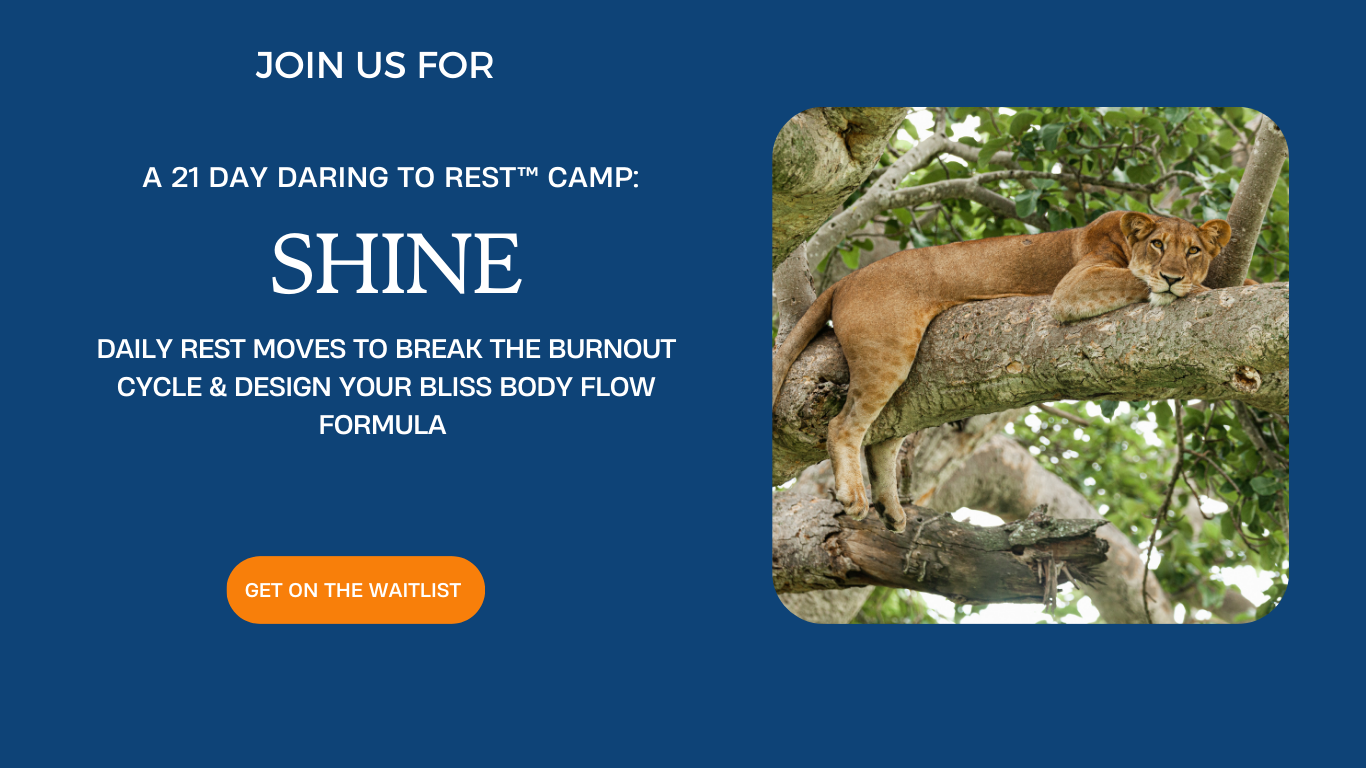 Anyone on the Waitlist for SHINE™ will be the FIRST to know the details and special offers when we open up camp this Fall. This online camp has my go to Daily Rest Moves & Tools for caregiver or clinician burnout prevention and recovery. They've helped me survive these past few years as the primary caregiver for my dad (and our Senior Dogs) as well as being a healthcare professional during a pandemic. It's the self-care program I wish I had learned about in physical therapy school. If you're a caregiver or health professional that:
Come Rest & Shine with us! Did you get to test out any new sleep moves from last month's FIT Blog? Hope so. Besides staying on top of a healthy sleep routine this summer, I've got some tips to help you stay strong AND rested. If you're traveling, they'll help you prep for your next trip so you can be a well-rested travel warrior. 1. Strong Body- use 1 Minute Workouts to stay on top of your strength training when you're short on time. Super Bands* travel easily so you can exercise on the go. 2. Strong Gut- eat a balanced breakfast, drink green juice or powder to get in your veggies, pack healthy snacks, and stay HYDRATED! 3. Rested Body & Brain- breathe, stretch, and move to calm your body as much as possible especially when traveling to help your body & brain heal itself & get stronger. Find moments during the day to relax with naps, nature, or daydreaming. Use your sleep moves to prep your body and the room before sleep. Download the Healthy Traveler Packing List for more immune boosting nutrition & exercise resources. Stay Summer Strong! Mollie P.S. If you’re a caregiver or a healer that's experienced burnout, we’ve got a special program coming soon designed specifically for you! The wait list opens up soon. *indicates affiliate link |
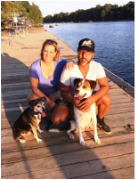
Mollie, Ender, Ty & Teddie
Mollie Miller, PT
|
 RSS Feed